

- 10 mins
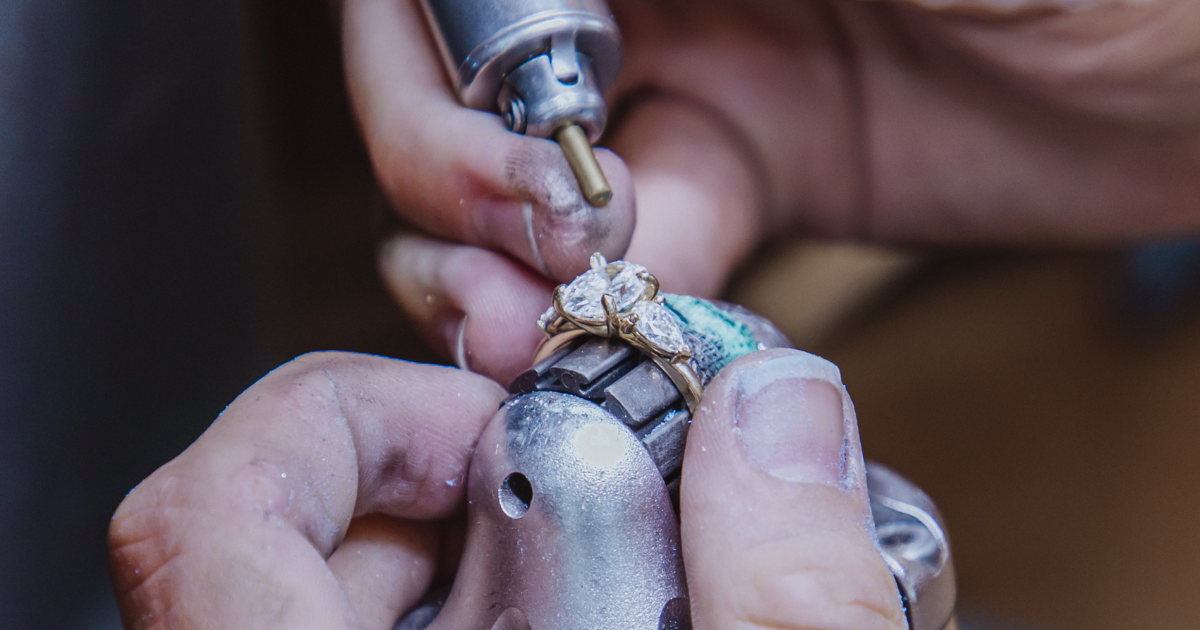
This guide walks you through the most common engagement ring repairs, why they happen, and the small, thoughtful steps you can take to care for your ring along the way. Our goal is to help you feel informed and reassured, so if a repair is ever needed, you understand what is happening, what is fixable, and how to protect your ring for the long term.
Most importantly, needing a repair does not mean something went wrong. It means your ring is being worn, cherished, and lived in. With proper care and experienced jewelers by your side, your engagement ring can continue to shine beautifully for decades to come.
Key Takeaways
- Engagement ring repairs are normal, not a mistake
Loose stones, resizing, prong wear, and replating happen because rings are worn every day through real life. Needing a repair does not mean the ring was poorly made or that you did something wrong. - Most common repairs are predictable and often preventable
Resizing, prong repair, melee stone tightening, and band reshaping are the most frequent services jewelers see. Simple habits like removing your ring during workouts, scheduling annual inspections, and addressing early warning signs can significantly reduce the likelihood of major repairs. - Regular care protects your ring long-term
Routine cleanings, inspections, and proactive maintenance help catch small issues before they become big ones. With proper care and an experienced jeweler, your engagement ring can stay secure, beautiful, and wearable for decades.
Understanding Engagement Ring Repairs
Buying an engagement ring is a huge moment. It is emotional, meaningful, and a little nerve-wracking. You spend months thinking through diamonds, settings, budgets, and timelines. So when something happens after the proposal, like a loose stone, a bent band, or a ring that suddenly does not fit, it can feel scary.
At Faithful Platform, our in-house jewelers see these situations every single day. With a combined 40 years of experience crafting, maintaining, and repairing fine jewelry, we can confidently say this. Repairs are normal. Engagement rings are worn daily through workouts, travel, weather changes, hand-washing, desk work, and real life. Over time, wear shows up.
This guide walks through the most common engagement ring repairs, why they happen, and what you can do to reduce the likelihood of needing them. The goal is to help you understand what is going on so if a repair is ever needed, you do not panic. You will know what is normal, what is fixable, and how to care for your ring long-term.
_platinum_accented_solitaire_engagement_rings.jpeg?width=900&height=473&name=White_gold_(or)_platinum_accented_solitaire_engagement_rings.jpeg)
1. Ring Resizing: The Most Common Repair
If there is one service that outpaces all others, it is resizing. And it is not because anyone got it wrong when ordering the ring.
Why Engagement Rings Need Resizing
Finger size changes more than most people expect. Common reasons include:
- Temperature changes
- Lifestyle or weight changes
- Pregnancy or postpartum swelling
- Injuries that affect knuckle size
- Adding wedding bands or stacking rings
A ring that fit perfectly at the proposal can feel tight, loose, or spin months later. This is especially common once wedding bands are added.
How to Reduce the Need for Resizing
You cannot prevent finger changes entirely, but a few thoughtful steps can help minimize future resizing:
- Try on rings at different times of day before final sizing
- Avoid sizing during extreme heat or cold if possible
- Let your jeweler know if you plan to stack bands so the fit can be planned accordingly
- Pay attention to early signs like spinning or pressure and address them sooner rather than later
Resizing itself is completely normal. Faithful Platform performs most resizing in-house. Our jewelers evaluate the band width, metal type, stone placement, and overall structure to choose the safest method that preserves the ring’s original look and durability.
Larger Knuckles and Spinning Rings
Some clients have larger knuckles but slimmer fingers, which means the ring fits over the knuckle but spins once it is on. In these cases, resizing alone is not always the best solution.
Sizing beads are a discreet option that help keep the ring upright without changing its appearance or comfort. They act as a gentle stabilizer and are often an easy fix that prevents repeated adjustments.
2. Prong Repair
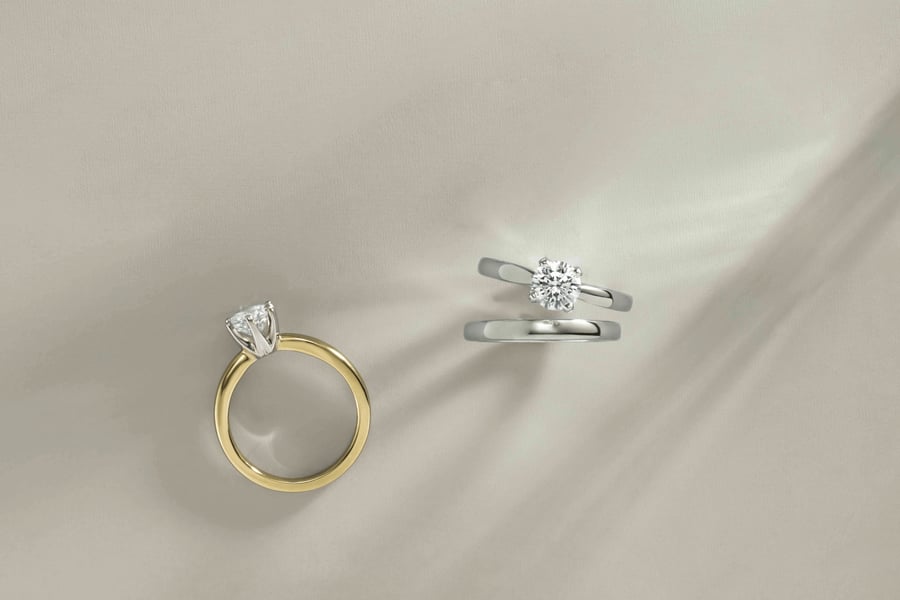
Prongs are the metal arms that hold your center stone in place. They do a lot of work, and over time, they experience wear.
Why Prongs Wear Down
Prongs can thin, lift, or bend gradually. This often happens when:
- A clothing thread catches under a prong
- The prong lifts slightly
- Daily movement slowly weakens the metal
Most people do not notice this process until a stone feels loose.
How to Avoid Prong Issues
Simple habits make a big difference:
- Remove your ring during workouts, cleaning, gardening, or lifting heavy objects
- Avoid sleeping in your ring, as tossing and turning can damage your prongs without you even knowing
- Bring or send your ring in for annual inspections and cleanings, even if nothing feels wrong
- Pay attention if your ring starts snagging on clothing, as this is often an early warning sign
How We Repair Prongs
When a prong needs attention, our bench jewelers:
- Add metal to rebuild the prong
- Restore it to its original shape
- Inspect every surrounding prong
- Secure each prong tightly against the stone
We never fix just one prong without checking the rest, as preventative care here helps avoid stone loss later!
.png?width=900&height=473&name=Featured%20Image%20(1).png)
3. Melee Stone Replacement
Melee diamonds are the small accent stones along bands or halos. They add sparkle and detail but require extra care.
Why Melee Stones Come Loose
Because they are small, melee stones have:
- Smaller prongs
- Less metal holding each stone
- Greater sensitivity to impact
This does not mean the ring was poorly made. It simply means the design requires regular attention.
How to Prevent Melee Stone Loss
If your ring has accent stones or melees along the band:
- Remove it before activities with impact, like the gym, home projects, or travel days
- Avoid wearing it while gripping hard surfaces such as weights or tools
- Schedule periodic inspections so looseness is caught early
- Address even minor issues promptly to avoid losing a stone
When a melee stone needs replacement, we rebuild prongs, inspect neighboring stones, and perform preventative tightening across the entire section so the repair lasts.
_engagement_rings_with_various_matching_accented_wedding_bands-2.jpeg?width=900&height=473&name=Various_white_gold_(or_platinum)_engagement_rings_with_various_matching_accented_wedding_bands-2.jpeg)
4. White Gold Replating
White gold rings get their bright finish from rhodium plating, which is a thin protective layer applied to the surface.
Why Replating Is Normal
Rhodium plating is very thin and naturally wears down with daily use. Most white gold rings need replating every 1-2 years. When our jewelers replate white gold rings with their rhodium finish, the ring has to be completely re-polished and brought back to a mirror finish, removing any dings or scratches in the process.
How to Make Replating Last Longer
You can help extend the finish by:
- Removing your ring before swimming or cleaning
- Avoiding harsh chemicals and abrasive surfaces
- Storing your ring separately when not worn
When a ring comes in for replating, our jewelers also inspect prongs, check stone security, and look for early signs of wear. This allows small issues to be addressed early.
.png?width=900&height=473&name=Featured%20Image%20(2).png)
Frequently Asked Questions (FAQs)
Are engagement ring repairs normal?
Yes. Engagement ring repairs are extremely common and a normal part of wearing fine jewelry. Rings are worn daily through work, travel, exercise, and everyday life, so some wear over time is expected.
Does needing a repair mean my ring was poorly made?
Not at all. Even beautifully crafted, well-made rings need maintenance. Repairs typically reflect normal wear, not a flaw in design or craftsmanship.
What is the most common engagement ring repair?
Resizing is by far the most common repair. Finger size can change due to temperature, lifestyle shifts, pregnancy, or adding wedding bands, even if the ring fit perfectly at first.
How can I tell if my ring needs attention?
Signs like spinning, feeling loose or tight, snagging on clothing, or visible bending are all signals that it may be time to have your ring checked by a jeweler.
Should I remove my ring for certain activities?
Yes. Removing your ring during workouts, cleaning, gardening, lifting heavy objects, or sleeping can greatly reduce wear on prongs, bands, and accent stones.
How often does white gold need replating?
Most white gold rings need rhodium replating every one to two years. This is normal and helps restore the bright, mirror-like finish while allowing jewelers to inspect the ring for early wear.
Are small accent (melee) stones more likely to come loose?
Melee stones are more delicate because they have smaller prongs and less metal holding them in place. With regular inspections and mindful wear, they can stay secure long-term.
What happens if a prong is worn or loose?
Our jewelers rebuild and reshape prongs as needed, then inspect all surrounding prongs to ensure the stone is fully secure. Preventative care helps avoid future stone loss.
What if my ring spins but resizing is not the right solution?
For clients with larger knuckles and slimmer fingers, sizing beads can be a discreet and comfortable way to keep the ring upright without changing its appearance.
Does getting a repair change how my ring looks?
Our goal is always to preserve the original look and integrity of your ring. Repairs are carefully planned and performed in-house to maintain both beauty and durability.
What is the most important thing to remember about ring repairs?
Needing a repair does not mean something went wrong. It means your ring is being worn, loved, and lived in, just as it was meant to be.